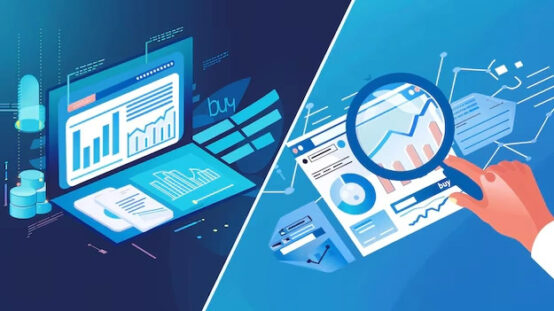
Top Web Analytics Implementation Services Trends to Watch in 2026
In 2026, data is no longer just a competitive advantage—it’s the foundation of every successful digital strategy. As privacy rules evolve, AI becomes more sophisticated, and customer journeys grow increasingly complex, businesses are rethinking how they collect, analyze, and activate data. This shift has placed Web Analytics Implementation Services at the center of smarter decision-making, helping organizations turn raw data into clear, actionable insights.
From predictive analytics to privacy-first tracking, the way analytics systems are implemented is changing fast. Understanding these trends now can help businesses, institutions, and organizations stay ahead, optimize performance, and future-proof their digital investments.
Key Takeaways
-
Web analytics in 2026 is driven by AI, automation, and predictive insights.
-
Privacy-first and cookieless tracking models are reshaping analytics implementation.
-
Integrated, cross-channel analytics is becoming essential for accurate decision-making.
-
Real-time and custom dashboards are replacing static, one-size-fits-all reports.
-
Choosing the right analytics implementation approach can directly impact growth and ROI.
The Growing Importance of Modern Analytics Implementation
As digital touchpoints multiply—websites, apps, voice search, and connected devices—tracking user behavior has become more complex. Basic analytics setups are no longer enough. Organizations now require advanced frameworks that align data collection with business goals, compliance requirements, and future scalability.
Modern Web Analytics Implementation Services go beyond installing tools. They involve designing data architectures, defining meaningful KPIs, integrating platforms, and ensuring insights are accessible to both technical and non-technical teams. This shift reflects a broader move from vanity metrics to outcome-driven analytics.
Trend 1: AI-Powered and Predictive Analytics Becomes Standard
One of the biggest trends in 2026 is the widespread adoption of AI within analytics implementations. Instead of simply reporting what happened, analytics systems are now predicting what will happen next.
AI-powered analytics can:
-
Forecast user behavior and conversion likelihood
-
Identify anomalies in traffic or performance automatically
-
Recommend optimization opportunities in real time
For organizations, this means faster decisions and fewer blind spots. Implementing analytics with AI capabilities requires careful planning, from clean data collection to proper model training, making expert implementation more critical than ever.
Trend 2: Privacy-First and Cookieless Tracking Frameworks
With stricter global data protection laws and the continued decline of third-party cookies, privacy-first analytics is no longer optional. In 2026, analytics implementations are built around consent-driven data collection and first-party tracking strategies.
Key shifts include:
-
Server-side tracking to reduce data loss and improve accuracy
-
Enhanced consent management integrations
-
Greater reliance on aggregated and modeled data
Organizations that invest in privacy-focused Web Analytics Implementation Services not only reduce compliance risks but also build stronger trust with users, which can directly impact engagement and brand loyalty.
Trend 3: Server-Side and Cloud-Based Analytics Architectures
Client-side tracking alone is becoming unreliable due to ad blockers, browser restrictions, and privacy tools. As a result, server-side and cloud-based analytics architectures are gaining traction in 2026.
These setups offer:
-
More accurate data collection
-
Faster site performance
-
Better control over sensitive user data
While server-side tracking is powerful, it requires technical expertise to implement correctly. Businesses must ensure events, data layers, and integrations are properly configured to avoid incomplete or misleading insights.
Trend 4: Unified Cross-Channel Analytics
Customers rarely interact with a brand through a single channel. In 2026, analytics implementations are increasingly focused on unifying data from websites, mobile apps, email, paid media, CRM systems, and offline sources.
Unified analytics enables organizations to:
-
Understand the complete customer journey
-
Attribute conversions more accurately
-
Align marketing, sales, and product teams around shared data
This trend highlights the importance of thoughtful data modeling and integration planning during implementation, rather than treating each platform as a standalone system.
Trend 5: Real-Time Insights and Custom Dashboards
Static reports are quickly being replaced by real-time dashboards tailored to specific roles and objectives. Executives want high-level performance snapshots, while marketing and product teams need granular, actionable insights.
Modern analytics implementations focus on:
-
Role-based dashboards
-
Real-time alerts for key events or anomalies
-
Visual storytelling instead of raw data tables
When done right, this approach reduces reporting friction and empowers teams to act quickly on insights rather than waiting for monthly reviews.
Trend 6: Event-Based Tracking Over Pageviews
In 2026, event-based tracking has become the standard for meaningful analytics. Instead of focusing on pageviews alone, organizations track interactions that reflect real user intent—scroll depth, video engagement, form interactions, and micro-conversions.
Event-based analytics provides:
-
Deeper behavioral insights
-
Better alignment with business goals
-
More flexibility across platforms and devices
However, defining the right events requires strategic thinking. Poorly planned implementations can lead to data overload without clarity, making expert guidance essential.
Trend 7: Analytics Integrated With Optimization and Automation
Analytics is no longer a standalone function. In 2026, implementations are designed to feed directly into optimization tools, personalization engines, and marketing automation platforms.
This integration allows organizations to:
-
Trigger personalized experiences based on behavior
-
Automate campaign adjustments using real-time data
-
Continuously test and improve digital experiences
The result is a closed-loop system where insights lead directly to action, maximizing the value of analytics investments.
Challenges Organizations Face in 2026
Despite the benefits, implementing advanced analytics is not without challenges. Common issues include data fragmentation, lack of internal expertise, unclear KPIs, and resistance to change.
To overcome these challenges, organizations should:
-
Clearly define business objectives before implementation
-
Invest in proper documentation and training
-
Regularly audit analytics setups for accuracy and relevance
Addressing these challenges early ensures analytics systems remain reliable and scalable as business needs evolve.
Best Practices for Implementing Analytics in 2026
To get the most out of modern analytics trends, organizations should focus on a few core best practices:
-
Start with strategy: Define what success looks like and which metrics truly matter.
-
Design for privacy: Build consent and compliance into the analytics framework from day one.
-
Plan for scalability: Choose tools and architectures that can grow with your organization.
-
Enable teams: Make insights accessible and understandable for decision-makers.
Following these principles ensures analytics implementations deliver long-term value rather than short-term data.
Frequently Asked Questions
What are Web Analytics Implementation Services?
They involve planning, configuring, and managing analytics tools to accurately collect, analyze, and report digital data aligned with business goals.
Why are analytics implementation trends changing so fast?
Changes in privacy regulations, AI adoption, and customer behavior are forcing organizations to rethink how data is collected and used.
Are server-side analytics necessary in 2026?
While not mandatory for all businesses, server-side tracking is increasingly important for accuracy, privacy, and performance.
How long does a modern analytics implementation take?
Depending on complexity, it can range from a few weeks for basic setups to several months for enterprise-level implementations.
Can small businesses benefit from advanced analytics?
Yes. With the right strategy, even smaller organizations can gain valuable insights without overcomplicating their systems.
How often should analytics setups be reviewed?
At least once or twice a year, or whenever there are major changes in business goals, platforms, or regulations.
Ready to Build a Future-Proof Analytics Strategy?
As 2026 unfolds, organizations that invest in modern analytics frameworks will be better positioned to adapt, compete, and grow. Keeping up with trends is only the first step—implementing them correctly is what truly drives results.
Partnering with an experienced Digital Marketing Agency can help ensure your analytics strategy is built on accuracy, innovation, and trust, empowering your teams to make confident, data-driven decisions in an increasingly complex digital landscape.